PRODUCTS
COMPANY

The kitchen is an essential space in any home, a place where simple foods are transformed, almost like a fairy tale, into memorable moments with loved ones. For 30 years we have been celebrating every such moment together, at the table. But, in the current context, appetite takes precedence over healthy habits. That is precisely why it is essential to think about the impact our eating behavior has on the environment. Sustainability in the kitchen does not only involve choosing foods described as organic or ecological, but also reducing the amount of food we throw away.
Green habits start with small gestures, gradually implemented into our daily lives. Let’s explore some simple ways we can incorporate eco-friendly principles into our kitchen routines and begin the journey toward a more sustainable lifestyle.
Reducing the level of food waste
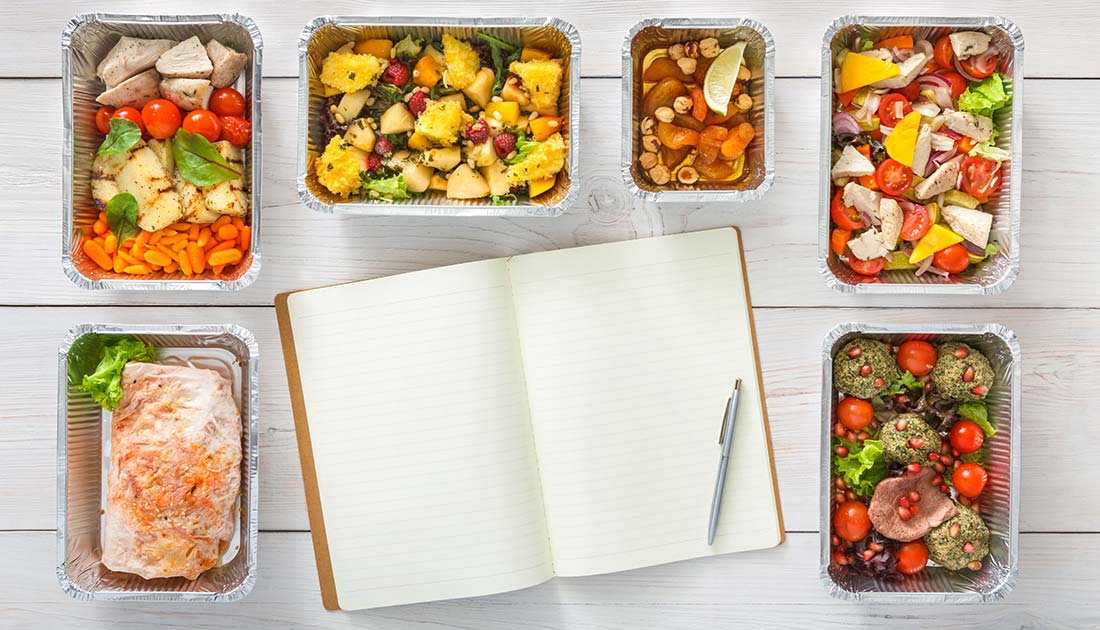
A 2022 report by the Boston Research Institute estimates that one-third of food produced globally is thrown away. This is a major sustainability issue, but the solution starts right here in our kitchen. We often tend to order or buy larger amounts of food than we need. A simple and effective solution is to shift to smaller, more realistic quantities based on actual consumption needs.
How can we achieve this?
A practical tip is to plan the meals we are going to prepare in advance. Drawing up such a plan helps us control the quantity and quality of the ingredients on the plate, control portions and reduce food waste. In the Balanced Diet Guide of the Agricola Association, you’ll find actionable steps to establish healthier and more sustainable eating habits.

Complete integration of food into dishes
A step often omitted in haste is the complete integration of food into the menu or the dishes we cook. For example, we use only the core of an apple for pie, or we use only the core of an eggplant for barbecue. But the skins and tails can be very easily integrated into the dishes. Vegetable peels can be used for a nutritional supplement, while fruit peels can be integrated into a syrup. What’s more, they can be used to infuse certain foods and add a dash of extra flavor.
Opt for organic and ecological food
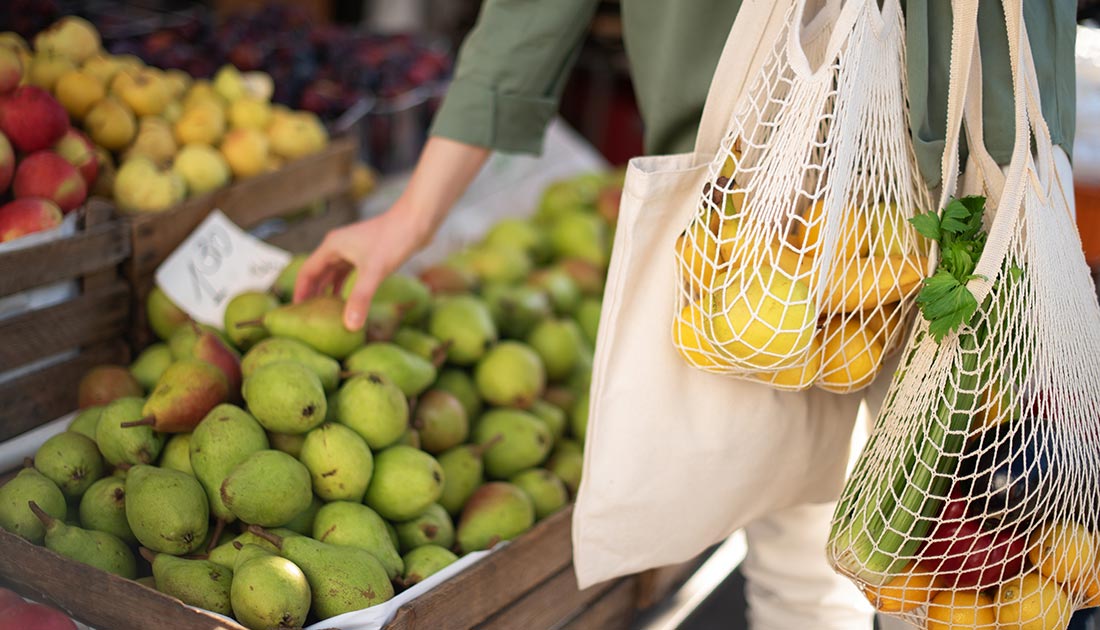
Organic and ecological food is not only healthier for us, but also for the planet. Organic food is produced without the use of pesticides and synthetic fertilizers, which can have a negative impact on the environment. They are also often packaged in eco-friendly materials (cardboard or paper), reducing the amount of plastic produced and thrown away, respectively.
This does not mean that we must give up the flavor of the products. Ecological packaging does not reduce the quality of the products, you can still enjoy the unmistakable taste of a Lasagna Bolognese or a tasty and spicy meal with a portion of Spicy Strips. Organic food also adheres to the principles of sustainability, considering the environmental impact at all stages of production, from cultivation to packaging and distribution.
What did we learn today?
By adopting sustainable practices in the kitchen, we can make a significant difference in reducing our impact on the environment. By starting with small steps, such as reducing food waste and choosing organic or organic foods, over time we find that these changes not only help protect the environment, but also bring benefits to our and our family’s health.
Because healthy habits begin at home, we can turn green practices into a real adventure in the world of sustainability for the whole family. So, the next time you step into the kitchen, think not only about the delicious food you’re about to prepare, but also about how you can make the process more environmentally friendly.
Sustainability is not just a trend, but a necessity in today’s world. The kitchen is a good starting point to adopt an eco-friendlier lifestyle. Remember that every choice counts, and every small step contributes to a greener and more sustainable future.
Last Articles